
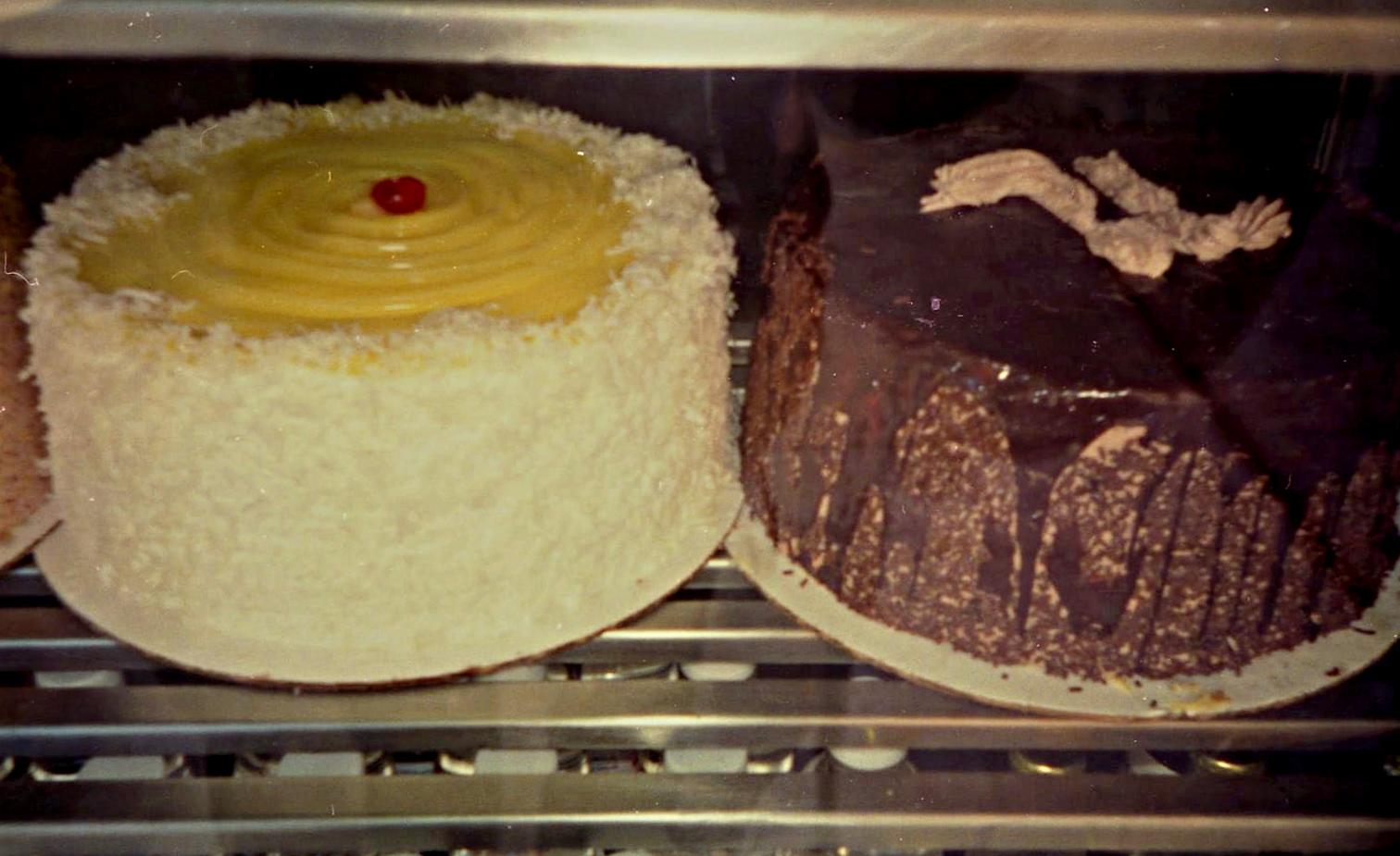
“A un niño que está muriéndose se le da todo lo que quiere: terrones de azúcar. ¿Qué importa que se estropee el estómago? ¿Y no nos encontramos todos nosotros en la situación de ese niño?”, dijo Nietzsche en 1877. Y mi hermano me contó, cuando estaba ya muy enfermo, que había preguntado al doctor si podía fumar, con el nuevo tratamiento. “¡Fume! ¡Fume!”. Mala señal, como si los yogures que te sirven en el avión estuvieran caducados.
Cuando dormíamos a pierna suelta los somníferos estaban reservados para las ocasiones: decepciones, lutos, y obsesiones de trabajo irresolubles. Cuando todavía no íbamos a morir, los terrones se racionaban. Quienes controlan el mercado de terrones ahora han disipado la niebla y no hay barrera que pueda contener los apetitos más inmediatos (los vendedores de caramelos, en los Estados Unidos de América, retrasaron el cambio de horario estacional, para que en Halloween no esté tan oscuro y los niños puedan mendigar un rato más por las calles, y chantajear a sus vecinos). Rienda suelta, principio de placer.
Tras la pandemia se han abandonado los análisis de índices de glucosa en la sangre. No importa el hígado, ni el Amazonas, ni las botellas vacías que navegan por los ríos. El turismo más depredador sabe más dulce, la esclavitud más exigente parece más liberadora. Políticas impulsadas contra el estómago y el corazón, con precisión obnubiladora. La intemperancia triunfa bajo el nombre de dejadez, el mayor aliado de extremistas en todos los puntos cardinales -con excepción de ese de verdad extremo-
Pobres opulentos, consumiendo falsos bienes de consumo, porque “no es pobre el que tiene poco, sino el que desea más”, que escribió Séneca. Quedan pocos que se avergüencen de sus privilegios -son los que no los tienen-; quedan pocos que se conformen con sus obligaciones. Unos y otros son los pocos felices sobre la Tierra.
¡Qué fue de la templanza! La aceleración de las vanguardias empujó al arte fuera de ese gozne.
En 1954, James Olds y Peter Milner (Olds & Milner, 1954) hicieron un experimento que causó un gran impacto en la comunidad científica (Olds & Milner, 1954). Implantaron un electrodo en el núcleo accumbens de una rata. La función de ese electrodo era estimular eléctricamente ese núcleo, produciendo una descarga de dopamina. La rata tenía una palanca que podía apretar. Cada vez que la apretaba, recibía una descarga. La rata no paraba de apretar la palanca, y dejaba de comer o beber. Al final, muchas de las ratas morían.
O tempora, o mores!
“A dying child is given everything he wants: sugar cubes. What does it matter if his stomach is ruined? And are we not all in the same situation as that child?” said Nietzsche in 1877. And my brother told me, when he was already very ill, that he had asked the doctor if he could smoke with the new treatment. “Smoke! Smoke!” A bad sign, like when the yoghurt they serve you on the plane has expired.
When we slept soundly, sleeping pills were reserved for special occasions: disappointments, bereavements, and unsolvable work obsessions. When we weren’t about to die, sugar cubes were rationed. Those who control the sugar cube market have now cleared the fog, and no barrier can contain the most immediate appetites (candy sellers in the United States delayed the seasonal time change so that it wouldn’t be so dark on Halloween and children could beg on the streets a little longer and blackmail their neighbours). Free rein, pleasure principle.
In the wake of the pandemic, blood glucose testing has been abandoned. The liver, the Amazon, and the empty bottles floating down the rivers don’t matter. The most predatory tourism tastes sweeter, the most demanding slavery seems more liberating. Policies driven towards the stomach and the heart, with blinding precision. Intemperance triumphs under the name of laziness, the greatest ally of extremists in all directions—with the exception of the truly extreme.
Poor opulent people, consuming false consumer goods, because “it is not the one who has little who is poor, but the one who desires more,” as Seneca wrote. Few remain who are ashamed of their privileges—they are the ones who do not have them; few remain who are content with their obligations. Both are the few happy ones on Earth.
What happened to temperance! The acceleration of the avant-garde pushed art out of that hinge.
In 1954, James Olds and Peter Milner (Olds & Milner, 1954) conducted an experiment that had a major impact on the scientific community (Olds & Milner, 1954). They implanted an electrode in the nucleus accumbens of a rat. The function of this electrode was to electrically stimulate the nucleus accumbens, producing a dopamine release. The rat had a lever that it could press. Every time it pressed the lever, it received a dopamine release. The rat would not stop pressing the lever, and would stop eating or drinking. In the end, many of the rats died.