
English below
En una mesa frente a mí, en la cafetería, hay un hombre que viste una camiseta con esta frase escrita en el pecho: “La revolución empieza leyendo”. Está leyendo, quizá porque cada vez que se pone la camiseta se siente obligado a leer, o porque usar la camiseta le da más fuerza para continuar la lectura, o porque, una vez que lee, rentabiliza así un poco más su esfuerzo.
Qué gran responsabilidad elegir el libro que uno va a leer cuando se adorna con una camiseta como esa –¿qué libro será el que pueda iniciar la revolución?, ¿qué revolución?–. Hace unos años subí al segundo piso de una cafetería en Tottenham Court Road en Londres y encontré a unos sesenta jóvenes cada uno con un ejemplar de la nueva entrega de Harry Potter, que se vendía por primera vez esa mañana en la librería de al lado. Caminé perplejo a través de un relato de ciencia ficción, porque leían con el libro en alto, mostraban ostensiblemente la portada, como coreografiados. Si alguno llevaba esa camiseta, el libro la ocultaba. Quizá alguna revolución empezó ahí. Eso es incierto.
El hombre de la camiseta se ha reunido ahora con su familia, que acaba de llegar a su mesa, y ya no lee. Yo le miro de vez en cuando, pero la mayor parte del tiempo soy yo el que está leyendo. En este momento me gustaría llevar una camiseta que dijera: “¡La revolución empieza leyendo, no comprando camisetas, listo!”, pero por supuesto que eso no serviría de nada. Hay que refrenar esos impulsos.
Me encuentro con conocidos del pasado, compañeros de colegio quizá que, llegados a una edad, cuando ya han alcanzado la estabilidad económica, sus hijos han crecido y viven fuera de casa, y una vez que trabajar intensamente ha perdido aquél sentido que les animaba, han caído en cuenta de todo el tiempo que han estado absorbidos en esas ocupaciones, sin realizarse. Ahora reclaman dedicación a sí mismos, quieren leer, disfrutar con los libros como lo hacían en la juventud –“perder el tiempo”–. Se enfrentan a esa noble tarea en las librerías y adquieren las novelitas de adolescentes que dejaron a medio leer cuando se convirtieron en personas responsables.
Leer puede ser bueno, no lo niego, pero depende del libro que leas. Los hay muy buenos. Hay anuncios de televisión que son muy buenos, dice la gente, llenos de imaginación y creatividad, auténticas obras de arte, dice la gente. Quizá. Como si hubiera que ver trescientas veces seguidas la misma película de superhéroes para poder asistir a una proyección de, por ejemplo, Fanny y Alexander. Hay muchos libros cuya lectura es peor para el espíritu, incluso, que mirar algo en Netflix. Hay libros que hacen mucho daño, a los que los leen y a los que los escriben, por lo menos como a la mitad de unos y de otros, más o menos. Los Padres de la Iglesia llevan siglos diciéndolo (no debían referirse a los mismos libros, o quizá sí).
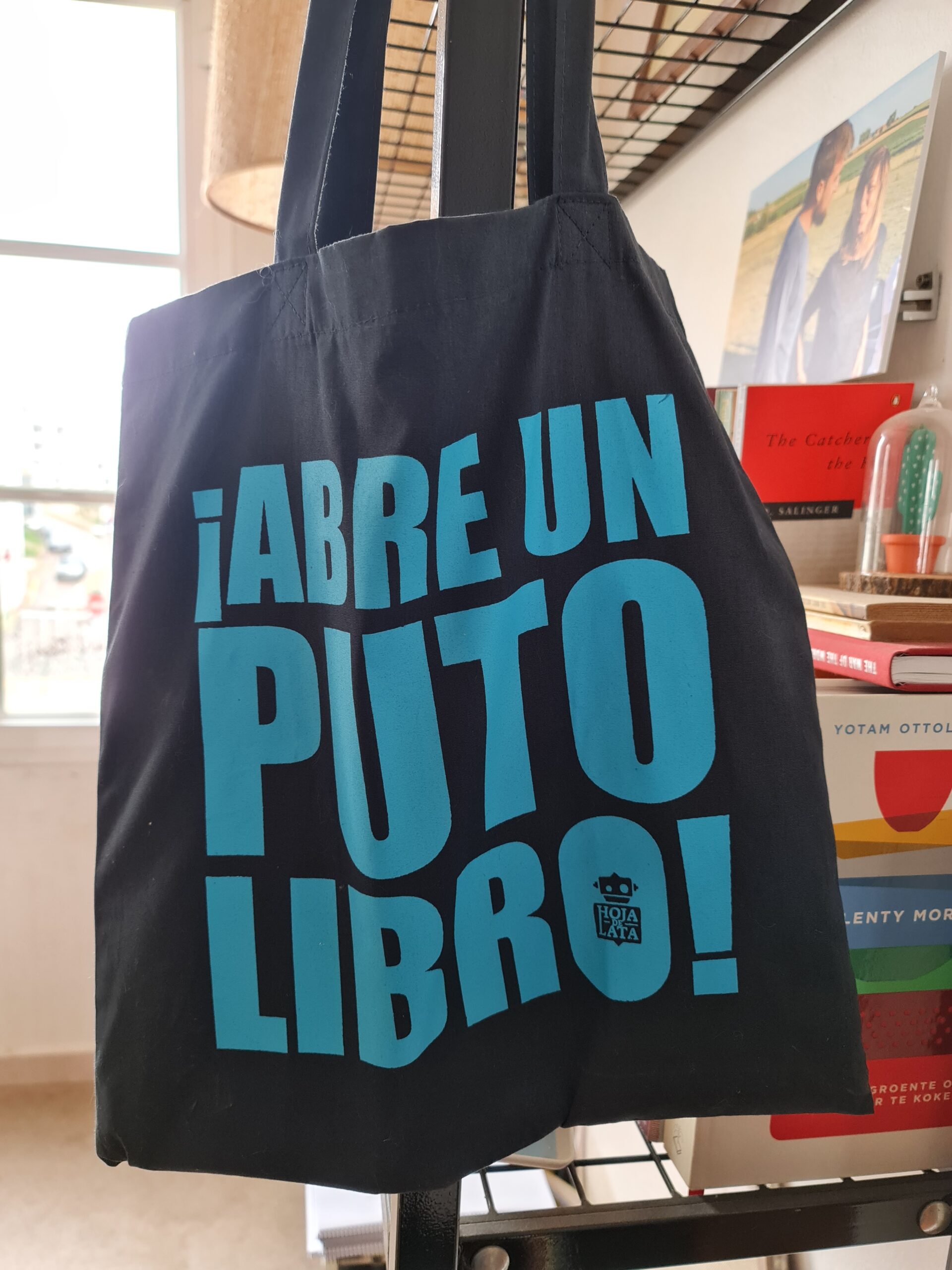
Veo una chica por la calle que lleva una bolsa de tela decorada con un imperativo: “abre un puto libro”. Hasta quienes abrazan la cultura prefieren ser malotes y les resulta divertido combinar consignas humanistas con palabras soeces, smart and witty. Parecen invitar a leer libros malos, esos dañinos, esos “libros putos”. Un consejo con vocación moral admirable cuya arrogancia ha sido provocada, en el mejor de los casos, por el pudor que les produciría ser, simplemente, buena gente que quiere lo mejor para sus congéneres. Además de que no es suficiente con solo abrirlos, ¿por qué no una bolsa que simplemente diga “lee un buen libro”?
Una moral mínima diría: “En un mundo en el que hace tiempo que los libros no parecen libros, sólo valen como tales los que no lo son”. La mayor parte de los libros son narcóticos. No son estupefacientes de tanta potencia como casi cualquier serie de televisión pero de todas formas su intención y efecto es adormilar. Si las series o los deportes son para aquellos que quieren dormir a pierna suelta, esos libros son prescritos para la sedación de quienes quieren sentirse despiertos. También hay otros anfetamínicos. Los que curan son muy pocos y el procedimiento por el que te curan, además, consiste en enfermarte un poco más.
Sospecho del elogio generalizado a la lectura, a la lectura en general. De entre todos los libros odiosos, los más odiosos son lo que defienden indiscriminadamente los libros, las plañideras de la desaparición del libro. Sus elogios y denuncias parten del lugar común que soñó Orwell, libros quemados por esvásticas -véase ejemplarmente, Fahrenheit 451-, pero su actitud precipita el apocalipsis que pronosticó Huxley, un mundo inundado por el número suficiente de libros como para que los libros queden ocultos. En el mundo de Orwell no hay sitio para Huxley, pero en el de Huxley, hasta la peor pesadilla de Orwell es bien recibida.
Los libros que vale la pena leer son aquellos que tienen en la portada la frase: “Lo siento, pero este libro no es para ti.”
Celsius 233
At a table in front of me, in the coffee shop, there is a man wearing a T-shirt with this phrase written on the chest: ‘The revolution begins by reading’. He is reading, perhaps because every time he puts on the T-shirt he feels obliged to read, or because wearing the T-shirt gives him more strength to continue reading, or because, once he is reading, this makes his effort a little more profitable.
What a great responsibility to choose the book one is going to read when one is adorned with a T-shirt like that – what book will be the one that can start the revolution, what revolution? A few years ago I went up to the first floor of a coffee shop on Tottenham Court Road in London and found about sixty young people each with a copy of the new Harry Potter release, which was being sold for the first time that morning in the bookshop next door. I walked perplexed through a science fiction story, because they were reading with the book held high, ostensibly displaying the cover, as if choreographed. If anyone was wearing that T-shirt, the book hid it. Maybe some revolution started there. That is uncertain.
The man in the T-shirt has now joined his family, who have just arrived at his table, and no longer reads. I look at him from time to time, but most of the time it is me who is reading. Right now I would like to wear a T-shirt that says: ‘the revolution starts with reading, not buying T-shirts, smart alec!’, but of course that would do no good. Those impulses have to be restrained.
I meet acquaintances from the past, schoolmates perhaps who, at a certain age, when they have reached economic stability, their children have grown up and live away from home, and once working intensely has lost the meaning that encouraged them, they have realised how much time they have been absorbed in these occupations, without achieving anything. Now they demand dedication to themselves, they want to read, to enjoy books as they did in their youth – ‘to waste time’-. They take on this noble task in bookshops and buy the little teenage novels that they left half-read when they became responsible people.
Reading can be good, I don’t deny it, but it depends on the book you read. There are some very good ones. There are TV commercials that are very good, people say, full of imagination and creativity, real works of art, people say. Maybe they are. As if you had to watch the same superhero movie three hundred times in a row to be able to attend a screening of, say, Fanny and Alexander. There are many books whose reading is worse for the spirit, even, than watching something on Netflix. There are books that do a lot of harm, to those who read them and to those who write them, at least to about half of both, more or less. The Fathers of the Church have been saying this for centuries (they must not have been referring to the same books, or maybe they were).
I see a girl in the street carrying a tote bag decorated with an imperative: ‘open a fucking book’. Even those who embrace culture prefer to be badass and find amusing to combine humanist slogans with swear words. They seem to invite to read bad books, those harmful ones, those ‘fucking books’. An admirably moral advice whose arrogance has been provoked, at best, by the embarrassment of simply being good people who want the best for their fellow human beings. Besides that to open them is not enough, why not a bag that simply says ‘read a good book’?
A minimal morality would say: ‘In a world where books have long lost all likeness to books, the real book can no longer be one’. Most books are narcotic. They are not as potent narcotics as almost any television series, but their intention and effect are to lull you to sleep. If series or sports are for those who want to sleep soundly, these books are prescribed for the sedation of those who want to feel awake. There are also other amphetaminic. The ones that cure are very few and the procedure by which they cure you, moreover, consists of making you a little sicker.
I am suspicious of the widespread praise for reading, for reading in general. Of all the hateful books, the most hateful are those who indiscriminately defend books, the mourners of the disappearance of the book. Their praise and denunciations start from the commonplace that Orwell dreamt of, books burned by swastikas – see, exemplarily, Fahrenheit 451– but their attitude precipitates the apocalypse that Huxley predicted, a world flooded by enough books that books are hidden. In Orwell’s world there is no place for Huxley, but in Huxley’s, even Orwell’s worst nightmare is welcome.
The books worth reading are those that have on the cover the sentence: ‘I’m sorry, but this book is not for you’.