
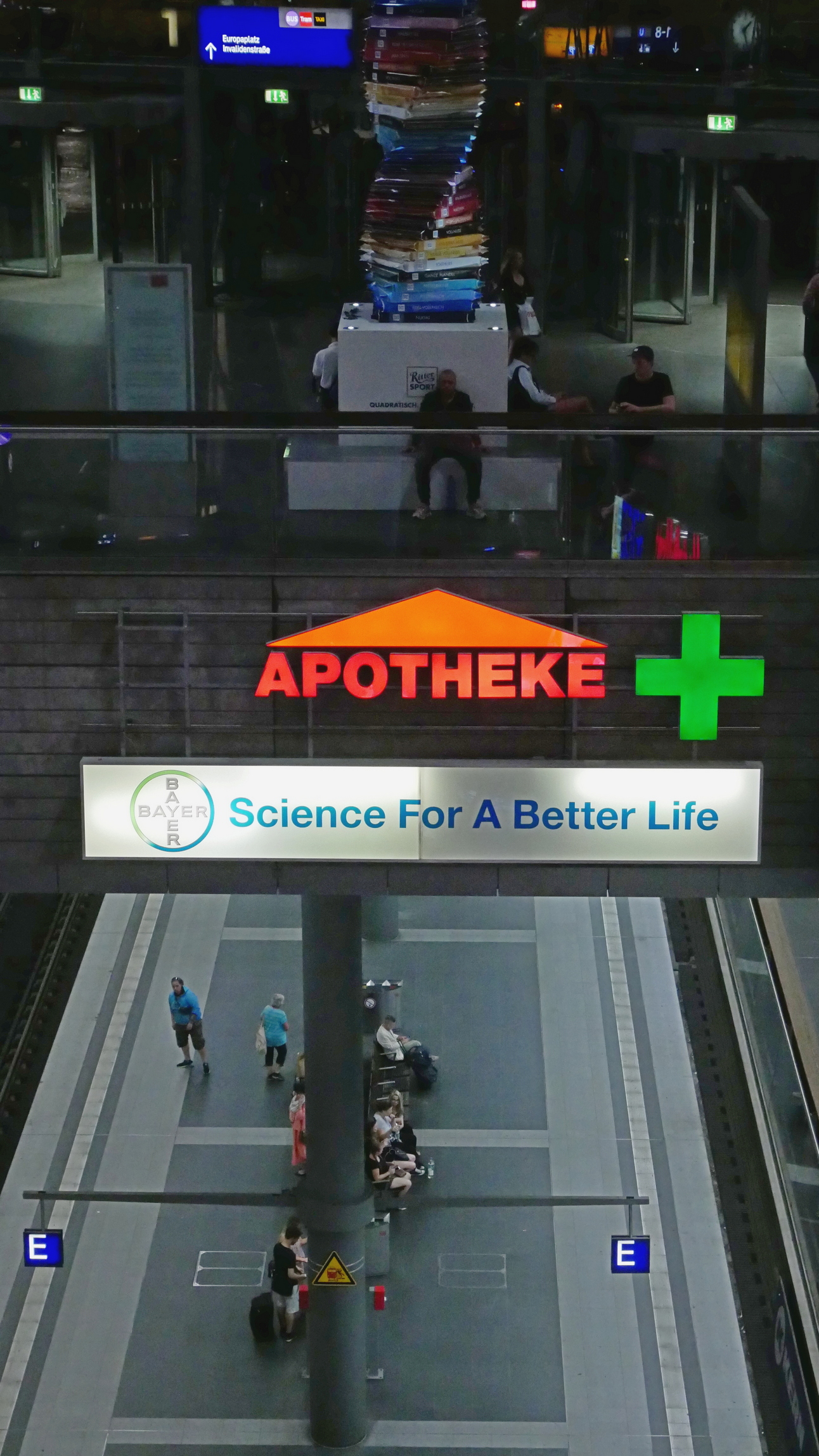
En un andén de la estación central de Berlín en 2023, un hombre negro, alto, bien vestido, resplandeciente, pasó decidido hacia el tren, con su hijo de la mano, obligándome a mí a retroceder un paso. Cuando entré después en el vagón, vi que estaba hablando airadamente con una persona sentada frente a su hijo. La impresión que me dio es que estaba respondiendo a algún comentario racista o mal educado. Justo en el último momento antes de que se cerraran las puertas entraron también un hombre y una mujer. Eran americanos blancos, ella mucho más joven que él, vestidos con ropa deportiva. Al oír los gritos en el fondo del vagón el hombre dijo… “you need to calm, you need to be gentle”, como si estuviera intentando reducir la tensión pero, de hecho, de forma muy agresiva, además de por el tono, porque era evidente para todos que hablaba sin tener ni idea de lo que ha dado lugar a la discusión, y que lo que quería era dejar claro que la culpa de cualquier cosa que estuviera pasando allí era del señor negro. La mujer intentó hacerle callar, evitar que se metiera en líos, con gestos y frases susurradas, en una actitud que hacía pensar que se encontraban a menudo en situaciones parecidas. Ella parecía un poco lenta y entonces caí en cuenta de que debían pertenecer a las Olimpiadas Especiales, que invadían Berlín esos días, con representantes de todas las nacionalidades. En el vagón también viajaban tres chicas, también americanas, con ropa deportiva, y que parecía también que estaban en Berlín con motivo de las olimpiadas. Empezaron a hablar con la pareja. Él, con una amabilidad y simpatía extremadamente ridículas, sobre todo en contraste con la violencia del gesto anterior, les preguntó por sus nombres. Dos de ellas, con melena larga rubia y muy delgadas, contestaron. “Yo soy Jessica”, dijo una. “Yo soy Julie”, dijo la otra. “Somos hermanas” dijeron las dos. El americano se dirigió a la tercera: “Y tú, ¿cómo te llamas?” “Jeniffer”. “¡Oh, qué bonito nombre!” contestó él.
Intersection
In 2023, on a platform at Berlin Central Station, a tall, well-dressed black man with a resplendent air about him walked purposefully towards the train, holding his son’s hand and forcing me to take a step back. When I got on the train afterwards, I saw that he was angrily confronting someone sitting opposite his son. I got the impression that he was responding to a racist or rude comment. Just before the doors closed, a man and a woman got on too. They were white Americans; she was much younger than him, and they were both dressed in sportswear. Hearing the shouting at the back of the carriage, the man said, ‘You need to calm down. You need to be gentle,’ as if he were trying to reduce the tension. In fact, however, he was being very aggressive in both his tone and his attitude, as it was obvious to everyone that he had no idea what had led to the argument and that he just wanted to make it clear that the black man was at fault. The woman tried to silence him and prevent him from getting into trouble with gestures and whispered phrases. Her attitude suggested that they often found themselves in similar situations. She seemed a little slow, and then I realised that they must be taking part in the Special Olympics, which were being held in Berlin at the time with representatives of all nationalities. Three American girls, also dressed in sportswear, were travelling in the carriage and seemed to be in Berlin for the Olympics too. They started talking to the couple. With an extremely ridiculous kindness and friendliness — especially in contrast to the violence of his previous gesture — the man asked them their names. Two of them, with long blonde hair and very thin, answered. ‘I’m Jessica,’ said one. “I’m Julie,” said the other. ‘We’re sisters,’ they said in unison. The American turned to the third and asked, ‘And you, what’s your name?’
‘Jeniffer,’. “Oh, what a beautiful name!” he replied.