
English bellow
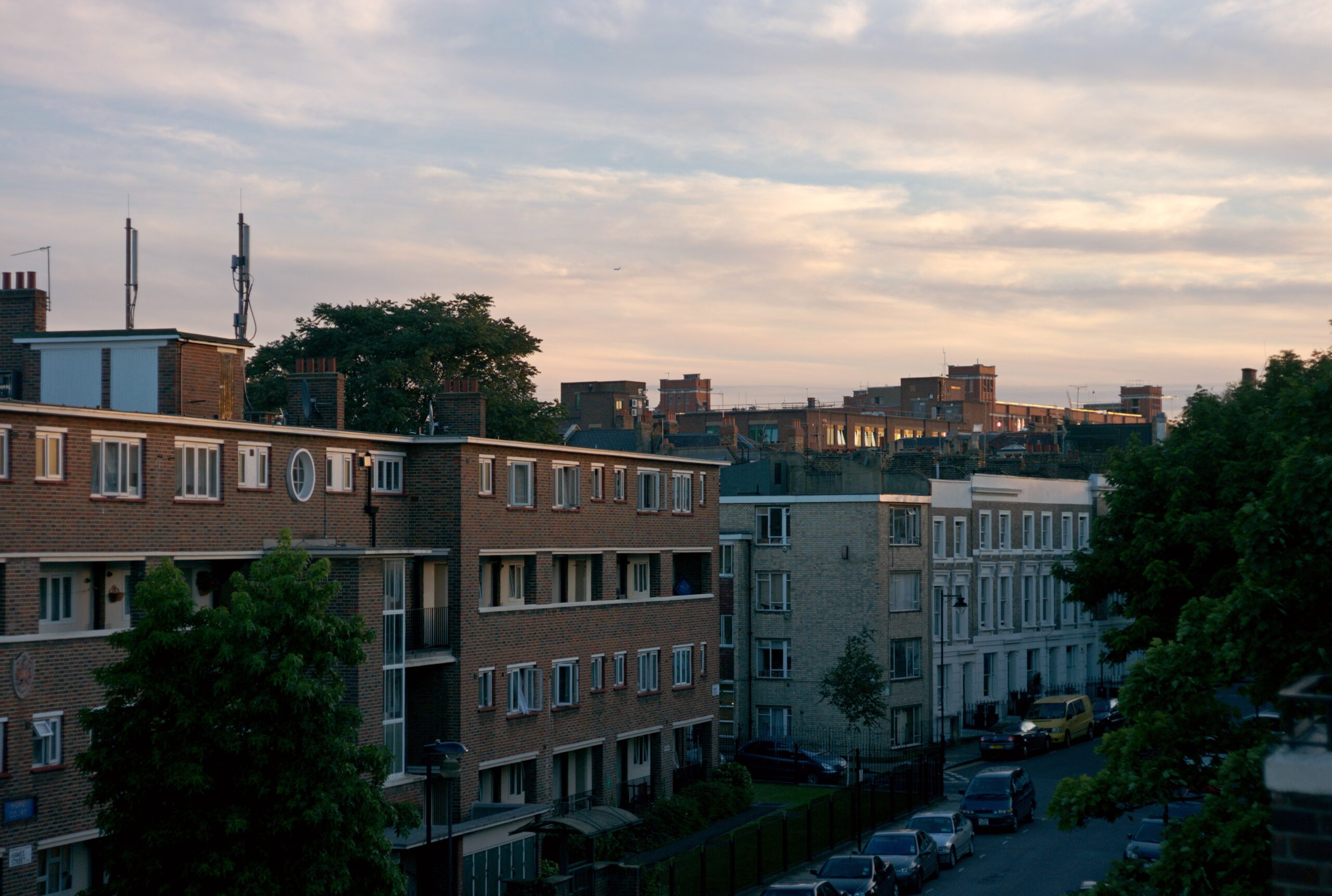
Hacía frío en Islington, en el invierno de 2006. Yo tenía calefacción de gas y recibí una carta que me recordaba la obligatoriedad de pasar la revisión de seguridad. Hacía tiempo que no había venido nadie a comprobar la instalación. Llamé por teléfono a la empresa que aconsejaba el ayuntamiento. Tenía la experiencia de que cada vez que venía alguien a hacer alguna reparación en el piso tenía problemas, por chapucería de los operarios, por la inquietud que me producía el que el visitante estuviera registrando los objetos de valor o, como este caso que voy a contar, porque aparecieran de forma inesperada normativas que yo no conocía o nuevas tareas y obligaciones. Esta vez vino un técnico, comprobó si había fugas y encontró que todo estaba bien. Sin embargo, una nueva ley para este tipo de calefacción de gas, obligaba a tener «ventilación directa» en la casa, lo que significaba simplemente que debería haber un agujero en la pared. El técnico dijo que, al no tener esta ventilación, se veía obligado a sellar el gas. En pleno invierno, sin aviso, me dejaban sin calefacción hasta que solucionara este problema. Le supliqué, le prometí que lo haría inmediatamente, que dejaría una ventana abierta todo el tiempo… Se compadeció de mí y, aunque no muy convencido, dejó el gas funcionando. Me hizo prometer que no abriría la puerta a nadie hasta que solucionara el problema porque él estaba obligado a informar del incidente y los inspectores del ayuntamiento podían estar allí enseguida para comprobar que había hecho bien su trabajo. Si cuando llegaran el gas no estuviera sellado, o el agujero en la pared todavía no existiera, él tendría problemas.
Se marchó y me puse inmediatamente a buscar en las páginas amarillas a alguien que hiciera el trabajo. El procedimiento normal, según pude entender, es hacer un agujero en el cristal de una de las ventanas, e instalar un trozo de plástico que haga circular el aire. Encontré una compañía de gas con servicio 24 horas y esperé a que vinieran. Acordamos que llamarían por teléfono cuando estuvieran delante del edificio, para no abrir a los inspectores del ayuntamiento por equivocación.
En una hora más o menos llamaron al timbre y abrí la puerta. El operario no llevaba ropa de trabajo, ni caja de herramientas. Solo traía en la mano un cortavidrios y la pieza de plástico. Le enseñé la ventana. Me dijo que él cortaría un círculo en el cristal, pondría la pieza y serían cuarenta libras. Bastante dinero, pensé, pero era mejor quitarse el asunto de en medio cuanto antes. “De acuerdo, adelante”. También dijo que el cristal podría romperse, que normalmente no se rompía, pero que si se rompiera, ese no sería su problema. ¿Qué podía decir a eso? Únicamente, “de acuerdo, adelante” y cruzar los dedos. Mientras hacía la operación, un poco torpemente, yo le observaba en tensión, sufriendo por la integridad de mi ventana. Aunque lo intentó varias veces no conseguía un corte limpio, así que empezó a quitar pequeños trozos de cristal a golpecitos. El cristal caía a la calle y cuando se lo advertí pidió una toalla y la puso fuera, en el alfeizar, pero aun así el cristal seguía cayendo. Yo sólo quería que terminara y se fuera.
De hecho, las piezas de cristal no habían caído en la calle, sino en el jardín de mis vecinos y cuando el operario se marchó con sus cuarenta libras, pensé en bajar a recoger los trozos caídos. En realidad habían sido muy pocas piezas y el jardín no merecía tal nombre: estaba lleno de basura, con una lavadora vieja, trozos de madera rotos, todo tipo de objetos de plástico. El jardín trasero estaba todavía peor, lleno de cosas podridas. Pensé que unos pocos trozos de cristal no tenían relevancia en ese paisaje.
Unos días después tuve que ir a España por un tiempo, y a mi regreso no salía mucho de casa y, ya que hacía frío, los vecinos no estaban nunca fuera, así que no me topé con ellos hasta que pasó al menos un mes. Pero un día estaba saliendo del edificio y la señora de la casa hablaba en la puerta con otra persona. Se interrumpió bruscamente y vino hacia mí gritando: “Tú, tú, tú, has llenado mi jardín de cristales. Has puesto a mi hija en peligro. Podría haberse cortado con los cristales. ¡No tienes decencia!”
En pleno invierno era muy improbable que su hija de un año jugara en el suelo del jardín entre la basura que tenían allí acumulada. Pero yo era culpable, así que me excusé como pude: pedí perdón repetidas veces, le pregunté que qué tipo de reparación quería, y me ofrecí a pagar un jardinero, haría lo que me pidiera. Pero ella dijo que así estaba bien. Ya había hecho uso de la oportunidad que se le había presentado, con esa demostración había equilibrado la cuenta, después de esperar todo el mes para ello se había podido relajar. Me disculpé un par de veces más y me fui.
Durante el tiempo que viví en Londres llegué a pensar que la característica más destacada de la vida allí era que no se desperdiciaba ninguna oportunidad: si en una cafetería se podía poner otra mesa, había que hacerlo, para sacarle rendimiento a ese espacio; si había un objeto en la calle desatendido -una bicicleta, por ejemplo-, había que llevárselo; si había algo por lo que se pudiera cobrar, se le ponía precio. Este era solo un caso más en el que había que sacar algún beneficio de eso que se te había puesto delante. Se podría pensar que esto es una forma en la que el capitalismo va transformando la vida cotidiana, y sin duda, la tradición de expansión imperial inglesa formó un tipo de carácter en la población, que fue luego exportado a Norteamérica, donde se perfeccionó –la oportunidad de tantas tierras desocupadas-, y finalmente distribuido desde allí al resto del planeta. Sí, pero el descubrimiento más importante para mí esos años fue ver cómo ese mecanismo funciona, en gran medida, por presión de pares: ya que todos lo hacen, uno también puede hacerlo, uno debe hacerlo porque aquellos que no se aprovechan son tratados de idiotas. Si uno no lo hace se siente ridículo. Porque era algo a lo que se había visto forzada, es por lo que mi vecina no llevó su ventaja hasta el límite. Por este motivo pienso que una de las maneras de resistencia al capitalismo, si no más eficaces desde luego más coherentes, es no hacer uso de ninguna de las oportunidades que se te ofrecen, tener el valor de hacer a menudo ese ridículo. Frontalmente en contra las costumbres locales de muchas culturas, esta actitud de rentabilizar tus activos es la invasión cultural más devastadora de todas las que estamos presenciando, la que puede acabar con la humanidad.
Ese día, después de la reprimenda, fui a Carluccio’s, una cadena de exquisiteces italiana, y compré una lujosa caja de chocolate. Volví a casa, entré en el jardín de los vecinos y llamé al timbre. Abrió el hijo mayor. Del apartamento salía un olor nauseabundo que en parte se debía a que dos gatos y un bulldog compartían la casa con la familia. Le pregunté por su madre. Cuando ella se asomó a la puerta le pedí, por favor, que aceptara los bombones como disculpa, como una muestra de mi pesar, y los disfrutara con su familia. Se quedó estupefacta. No podía entender por qué estaba yo teniendo ese gesto al que no estaba obligado de ninguna manera. Lo único que pudo hacer fue cruzar el umbral y abrazarme mientras lloraba. Ahora el sorprendido era yo. Fue muy triste pensar que alguien había experimentado en su vida tan pocas muestras de buena voluntad como para que esto le resultara tan conmovedor y extraordinario.
La familia no tardó mucho en mudarse a otro sitio. Después del episodio, nos sentíamos incómodos cada vez que nos cruzábamos.
A hole in the wall
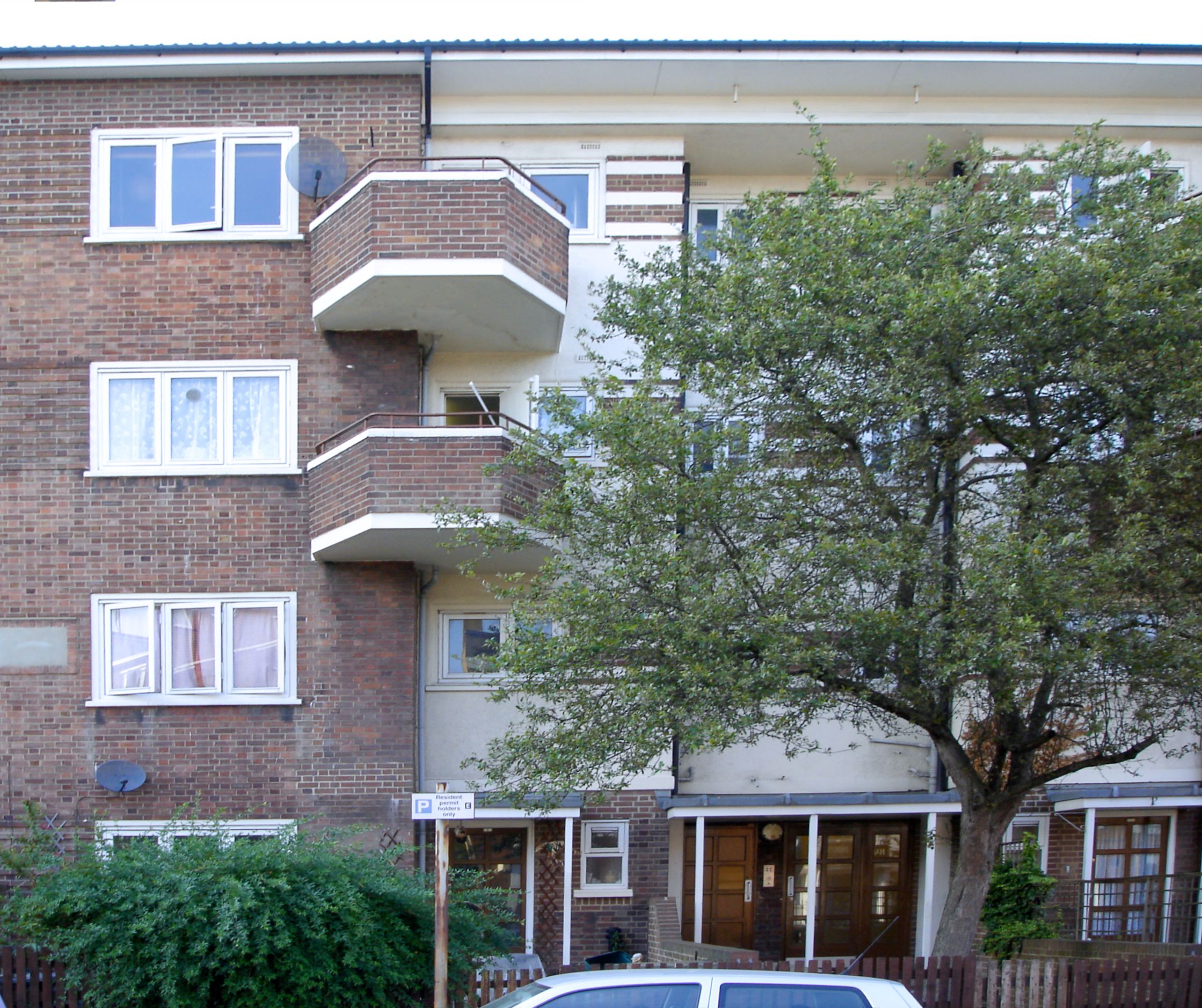
It was cold in Islington in the winter of 2006. I had gas heating, and I received a letter reminding me I had to have a safety check. It had been a long time since anyone had come to check the installation. I phoned the company recommended by the local council. The experience I had was that every time someone came to do some repairs in the flat there were problems, because of the shoddiness of the workers, because I was worried that the visitor was exploring the valuables of the flat or, as in this case, because of the unexpected appearance of regulations that I didn’t know about or new tasks and obligations. This time a technician came, checked for leaks and found that everything was fine. However, a new law for this type of gas heating required to have ‘direct ventilation’ in the house, which simply meant that there should be a hole in the wall. The technician said that, not having this ventilation, he was forced to seal the gas. In the middle of winter, without warning, I was left without heating until this problem was solved. I begged him, I promised him that I would do it immediately, that I would leave a window open all the time…. He took pity on me and, although not very convinced, left the gas running. He made me promise not to open the door to anyone until I had fixed the problem because he was obliged to report the incident and the council inspectors could be there straight away to check that he had done his job properly. If when they arrived the gas was not sealed, or the hole in the wall did not yet exist, he would be in trouble.
He left and I immediately start looking in the Yellow Pages for someone to do the job. The normal procedure, as far as I could make out, is to cut a hole in the glass of one of the windows, and install there a piece of plastic to circulate the air. I found a gas company with 24-hour service and waited for them to come. We agreed that they would phone when they were in front of the building, so as not to open the door to the council inspectors by mistake.
Within an hour or so they rang the bell and I opened the door. The worker had no work clothes on, no toolbox. All he had in his hand was a glass cutter and a piece of plastic. I showed him the window. He told me that he would cut a circle in the glass, put the piece in and it would be forty pounds. Quite a lot of money, I thought, but it was better to get it out of the way as soon as possible. ‘All right, go ahead.’ He also said that the glass might break, that it didn’t normally break, but if it did, that wouldn’t be his problem. What could I say to that? Just, ‘all right, go ahead’ and cross my fingers. As he did the operation, a little awkwardly, I watched him in tension, suffering for the integrity of my window. Although he tried several times he couldn’t get a clean cut, so he began to tap out small pieces of glass. The glass was falling into the street, and when I warned him, he asked for a towel and put it outside on the window sill, but still the glass kept falling. I just wanted him to finish and go away.
In fact, the pieces of glass had fallen not in the street, but in my neighbours’ garden and when the workman left with his forty pounds, I thought I would go down and pick up the fallen pieces. Actually, there had been very few pieces and the garden didn’t deserve such a name: it was a plot full of rubbish, with an old washing machine, broken pieces of wood, all kinds of plastic objects. The back garden was even worse, covered the earth with forgetful rotten stuff. I thought that a few pieces of glass had no relevance in that landscape.
A few days later I had to go to Spain for a while, and on my return I didn’t leave the house much and, since it was cold, the neighbours were never outside, so I didn’t run into them for at least a month. But one day I was leaving the building and the lady of the house was talking to someone else at the door. She abruptly interrupted and came towards me shouting: ‘You, you, you, you have filled my garden with glass. You have put my daughter in danger. She could have cut herself with the glass. You have no decency!’
In the middle of winter it was highly unlikely that her one-year-old daughter would be playing on the garden floor among the rubbish they had piled up there. But I was guilty, so I excused myself as best I could: I apologised repeatedly, asked her what kind of repair she wanted, and offered to pay for a gardener, I would do whatever she asked. But she said that was fine. She had already made use of the opportunity she had been presented with, with that demonstration she had balanced the account, after waiting the whole month for it she could relax. I apologised a couple more times and left.
During the time I lived in London I came to think that the most salient feature of life there was that no opportunity was wasted: if you could put another table in a café, you had to do it, to make the most of the space; if there was an object in the street unattended – a bicycle, for example – you had to take it away; if there was something you could charge for, you had to put a price on it. This was just another case where you had to make some profit from what was put in front of you. You could think of this as a way in which capitalism is transforming everyday life, and certainly the tradition of English imperial expansion formed a kind of character in the population, which was then exported to North America, where it was perfected – the opportunity of so much unoccupied land – and finally distributed from there to the rest of the world. Yes, but the most important discovery for me in those years was to see how that mechanism works, to a large extent, by peer pressure: since everyone else is doing it, you can do it too, you must do it because those who don’t take advantage of it are treated as idiots. If you don’t do it, you feel ridiculous. Because it was something she had been forced to do that my neighbour did not push her advantage to the limit. And this is why I think that one of the ways of resisting capitalism, if not the most effective then certainly the most coherent, is not to make use of any of the opportunities offered to you, to have the courage to often make a fool of yourself. This attitude of profiting from your assets is the most devastating cultural invasion of all that we are witnessing, the one that can wipe out humanity.
That day, after the reprimand, I went to Carluccio’s, an Italian delicatessen chain, and bought a luxurious box of chocolate. I returned home, went into the neighbours’ garden and rang the doorbell. The eldest son answered. There was a foul smell coming from the flat, partly since two cats and a bulldog shared the house with the family. I asked for his mother. When she came to the door I asked her to please accept the chocolates as an apology, as a token of my regret, and enjoy them with her family. She was stunned. She could not understand why I was making this gesture to which I was in no way obliged. All she could do was cross the threshold and hug me while crying. Now, I was the surprised one. It was very sad to think that someone had experienced so little goodwill in her life that this could be so touching and extraordinary for her.
It didn’t take long for the family to move away. After the episode, we felt awkward whenever we passed each other.
Nunca antes me había quedado tan clara la relación de identidad entre la cultura capitalista y la cultura de la chapuza. Nunca antes había entendido como gesto de resistencia obsequiar a alguien con una caja de bombones. ¡Gracias!
Conmovedor, me ha gustado mucho. Y explica muy bien qué tipo de persona eres. Un abrazo
Interesante la reflexión que das con este relato
De un acontecimiento tan casual y doméstico.
Del inspector de gas que en cierto modo se arriesga, confiando en ti, un desconocido,
Y la vecina con «su» basura desperdigada,.
Y si , apuesta que en esa caja de bombones encontró una pizca de dignidad ….de la que seguro la tendría tirada en su » jardín «